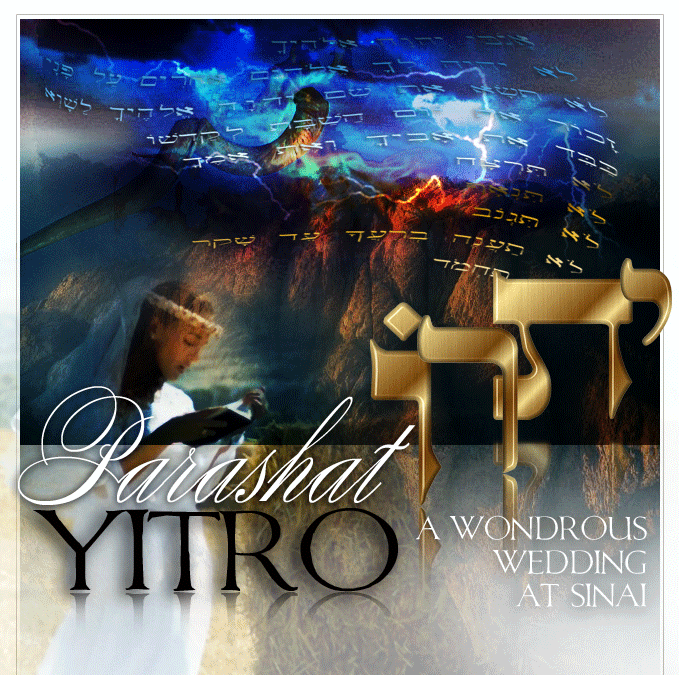
February 07, 2026 – Yitro (“Jethro”) Parshat 17
- Torah: Exodus 18:1-20:23(26)
- Haftara: Isaiah 6:1-7:6, 9:5-6(6-7)
- Brit Chadasha: Matthew 19:16-26
וַיִּשְׁמַ֞ע יִתְר֨וֹ כֹהֵ֤ן מִדְיָן֙ חֹתֵ֣ן מֹשֶׁ֔ה אֵת֩ כָּל־אֲשֶׁ֨ר עָשָׂ֤ה אֱלֹהִים֙ לְמֹשֶׁ֔ה וּלְיִשְׂרָאֵ֖ל עַמּ֑וֹ כִּֽי־הוֹצִ֧יא יְהוָ֛ה אֶת־יִשְׂרָאֵ֖ל מִמִּצְרָֽיִם׃
Vayishma Yitro chohen Midyan choten Moshe et kol-asher asah Elohim le-Moshe ule-Yisra’el amo ki-hotsi Adonay et-Yisra’el miMitsrayim.
Jethro priest of Midian, Moses’ father-in-law, heard all that God had done for Moses and for Israel His people, how the LORD had brought Israel out from Egypt.
Greater love hath no man: At Mount Sinai HaShem gave his bride the Ketubah – His Torah, a sign of his faithful covenant of Ahavah Nitzchit eternal love, for the People he has chosen for himself. The Sages of Yisrael compared the giving of Torah to the betrothal of a bride, and Moshe as the “friend of the bridegroom.” We see this thought carried thru to the Brit Chadasha in the gospel of Yochanan – John the immerser, where he says of the “friend of the bridegroom.”
John 3:28&29 “You yourselves testify that I said, ‘I am not the Messiah,’ but, ‘I have been sent before him.’ He who has the bride is the bridegroom; but the friend of the bridegroom, who stands and hears him, rejoices greatly because of the bridegroom’s voice. This, my joy, therefore is made full.
John’s description points to not only Mashiach, but Moshe as “the one stands and hears Him” and who rejoiced in the wedding of HaShem to the Kallah bride of his choosing. Yochanan is drawing on the teaching he had learned as a young man concerning the giving of the Torah at Sinai as a Ketubah from HaShem to his Kallah. As the friend of the Katan groom, he goes forth to awaken the bride and call her forth to cleanse herself for her glorious day, just as Yochanan the immerser was doing in the Yordan. Yochanan doing just as his predecessor Moshe had done.
Shemote Exodus 19:10&11 The LORD said to Moses, “Go to the people, and sanctify them today and tomorrow, and let them wash their garments, and be ready against the third day; for on the third day the LORD will come down in the sight of all the people on Mount Sinai.” Once the cleansing or preparation had taken place the oral tradition describes the encounter as Yochanan would have learned it!
As we see described here: Rabbi Chanina said: || In the third month the day is double the night, and the Israelites slept until two hours of the day, for sleep on the day of the (feast of) ‘Azereth is pleasant, the night being short. And Moses went forth and came to the camp of the Israelites, and he aroused the Israelites from their sleep, saying to them: Arise ye from your sleep, for behold, your God desires to give the Torah to you. Already the bridegroom wishes to lead the bride and to enter the bridal chamber. The hour has come for giving you the Torah, as it is said, “And Moses brought forth the people out of the camp to meet God” (Ex. xix. 17). And the Holy One, blessed be He, also went forth to meet them; like a bridegroom who goes forth to meet the bride, so the Holy One, blessed be He, went forth to meet them to give them the Torah, as it is said, “O God, when thou wentest forth before thy people” (Ps. lxviii. 7). [Pirkei DeRabbi Eliezer 41,7]
Have a blessed week as we awaken ourselves to the call we received from our Katan Yeshua, and Mikvah in the waters of the Ruach Hakodesh. May we hear the sound of the Shofar waxing louder and louder each day as we stand awaiting His embrace!
Ahav V’shalom L’Mish’pachtanu love and peace to our family in Messiah from Beth Hallel Lodi
 Beth Hallel "House of Praise" Messianic Fellowship